Large Language Models unlock music applications.
Welcome to the online supplement for the tutorial on “LLMs × Music: Scalable Language Modeling Unlocks Music Applications,” presented at the 27th International Society for Music Information Retrieval (ISMIR) Conference in 2026 in Abu Dhabi, UAE.
Motivation & Aim
Large language models (LLMs) are rapidly becoming a foundation for user-facing systems, with the potential to transform how people discover, understand, create, produce, perform, and learn music. Moving beyond a surface-level treatment of LLM usage, this tutorial offers an in-depth exploration of the capabilities that make these models particularly powerful for musical applications, showing how they can enable meaningful experiences for listeners, creators, performers, and learners.
We first introduce the foundations of modern LLMs, from large-scale pretraining to instruction tuning and preference alignment. We then show how their core capabilities support agentic pipelines that reason, call specialized tools, and interact with environments. Next, we explore how LLMs connect information across audio, symbolic notation, score images, and textual metadata for music understanding. Building on these foundations, the tutorial emphasizes applications designed around the needs of music users: conversational recommendation for listeners; collaborative composition for creators; and personalized assessment, coaching, and interactive education for performers and learners.
Participants will learn how the core capabilities of LLMs translate into practical applications for music users. The tutorial concludes by examining current limitations and promising directions for more capable, grounded, and musically meaningful systems.
Presenters
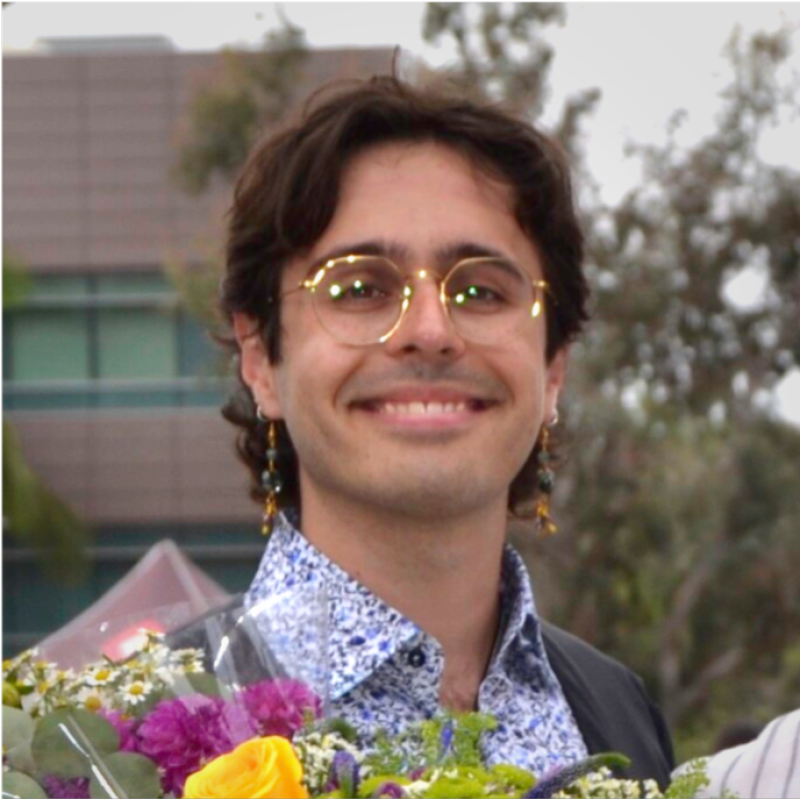 Zachary Novack UC San Diego
Zachary Novack is a recent PhD graduate from UC San Diego. Zachary’s research has focused both on efficient interactive music generation and large scale evaluation and benchmarking for LLMs for musical reasoning. He has received numerous awards across diverse venues, including oral presentations at ICML, ICASSP, and Interspeech, spotlight papers at ICLR and NeurIPS, and recently Best Paper at ISMIR 2025 for work on diagnosing Music-LLM evaluation. He co-presented the tutorial “Connecting Music Audio and Natural Language” in ISMIR 2024 and organized the AI Music workshop at NeurIPS 2025. Outside of academics, Zachary is passionate about music education and teaches competitive indoor drumline in the southern California area.
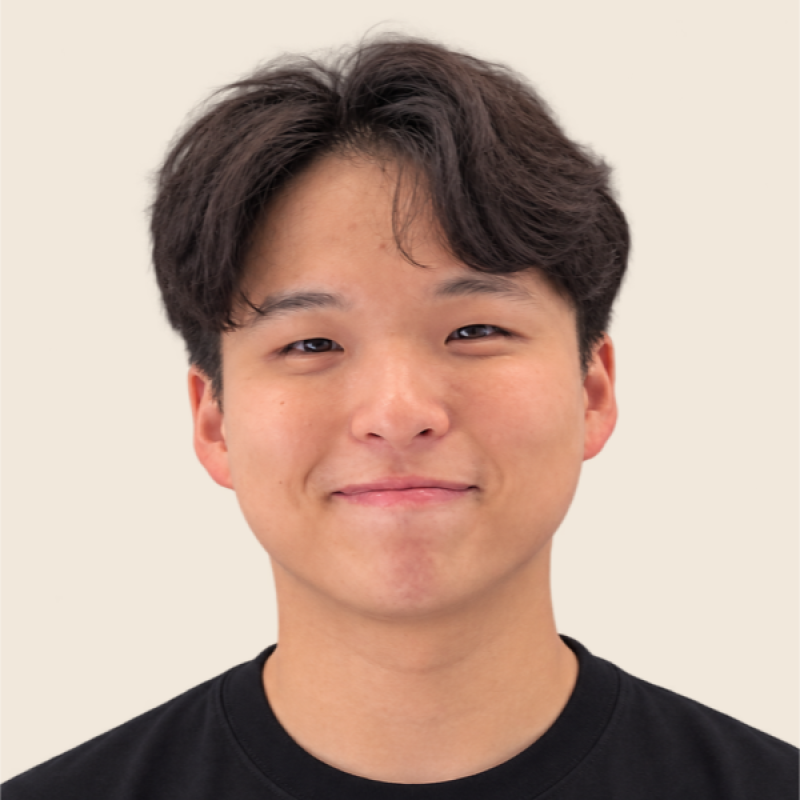 Seungheon Doh Sony
Seungheon Doh is a Research Scientist at Sony. His research focuses on conversational music understanding, recommendation, and creation. Recently, he has been particularly interested in agentic media processing, where language models coordinate tools to understand and transform multimodal media. He has published research on large language models for music applications at venues including ISMIR, ICLR, IEEE ICASSP, and IEEE TASLP. He co-presented a tutorial on “Connecting Music Audio and Natural Language” at ISMIR 2024 and has organized several workshops (NLP4Musa, LLM4MA) exploring the intersection of music and language. Seungheon has interned at Sony AI, Adobe Research, Chartmetric, NAVER, and ByteDance.
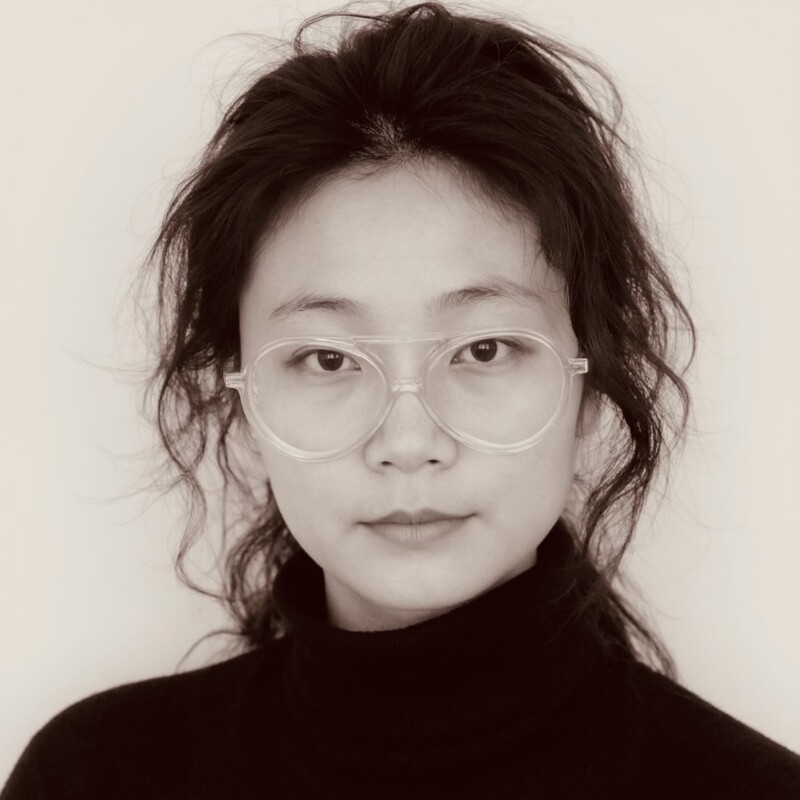 Huan Zhang Clefer
Huan Zhang is a Research Scientist at Clefer Inc., exploring how LLMs can understand, generate, and evaluate performance expression in music. She has developed multimodal models such as LLM coach that provides formative feedback on performances, and framework for text-controlled expressive performance generation. Huan has collaborated with industry leaders such as Sony CSL and Yamaha, and is deeply committed to applying her research to music education. Huan also serve as the MIREX Task Captain of RenCon (Expressive Performance Rendering Competition) and Music Performance Difficulty.
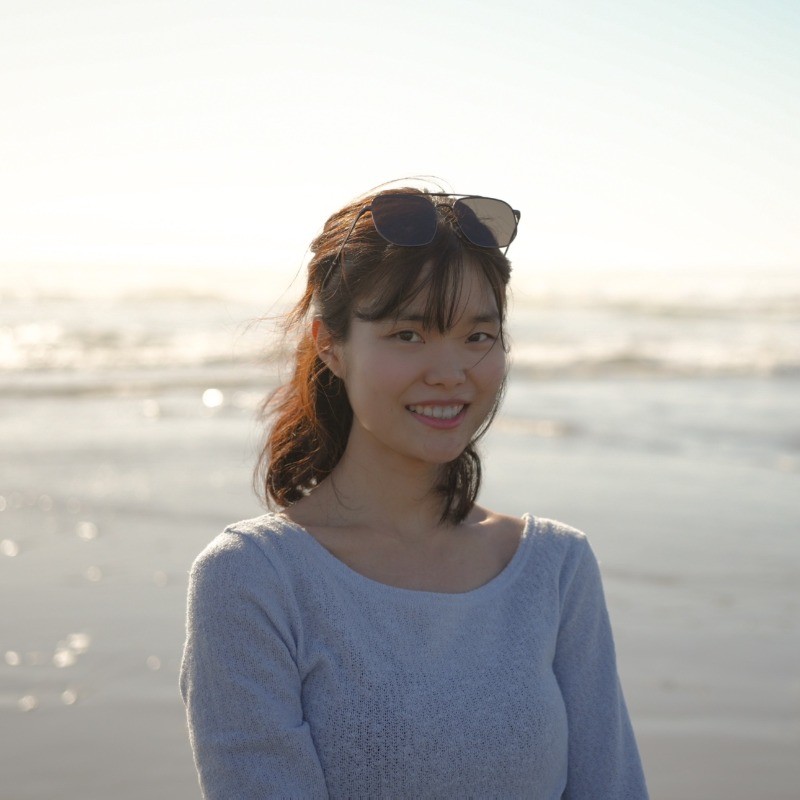 Yewon Kim Carnegie Mellon University
Yewon Kim is a Ph.D. student in the Computer Science Department at Carnegie Mellon University, where she is advised by Chris Donahue. Yewon’s research explores how generative AI can enhance human creativity in music, developing interactive systems and methods for human-AI music co-creation. She has published across HCI (ACM CHI, ACM DIS) and AI (NeurIPS) venues, and was recognized with a Best Paper Award at ACM CHI. She has also interned at Adobe Research.
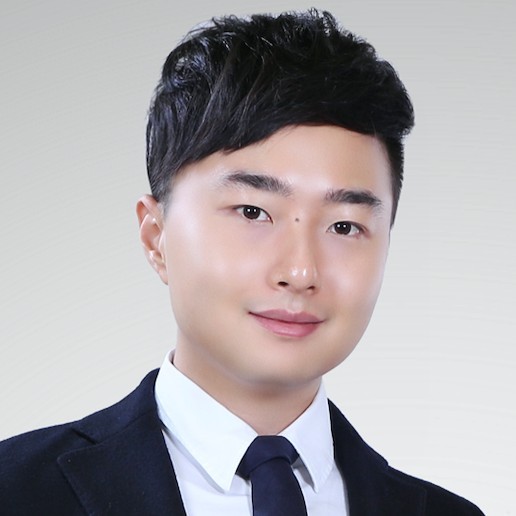 Sang-gil Lee NVIDIA
Sang-gil Lee is a Research Scientist on the Applied Deep Learning Research team at NVIDIA, where his research focuses on audio AI across sound, music, and speech. He received his PhD in Electrical and Computer Engineering from Seoul National University. His research spans neural waveform synthesis, audio codecs, audio generation, and multimodal audio-language models. He has contributed to a number of influential audio AI systems, including BigVGAN, ETTA, Audio Flamingo 3, Music Flamingo, UALM, and Nemotron-Labs-Audex. His recent work explores unified audio-language models that jointly support understanding, generation, and reasoning across sound, music, and speech.